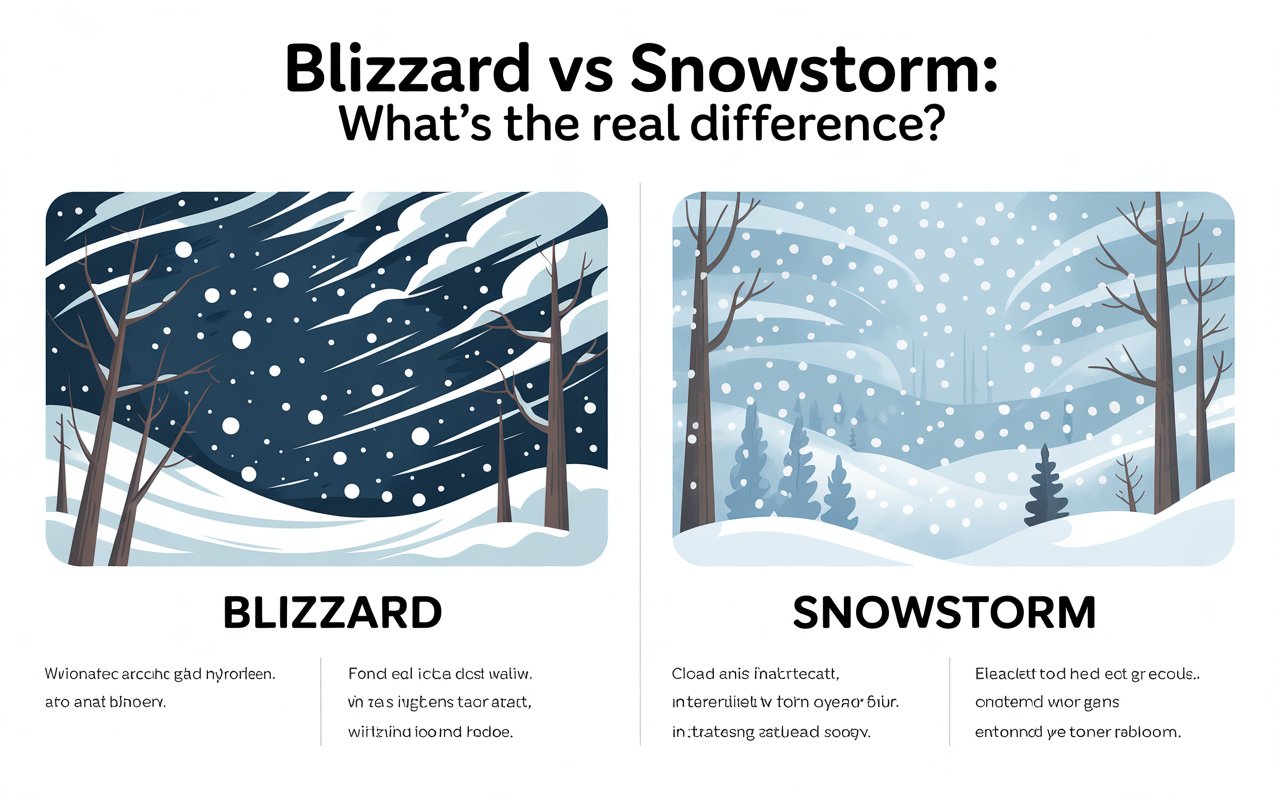
blizzard vs snowstorm: What’s the Real Difference?
When winter storms dominate headlines, many people use the terms interchangeably. However, understanding blizzard vs snowstorm is crucial for safety, preparedness, and accurate weather awareness. While both involve heavy snowfall and dangerous winter conditions, they differ significantly in intensity, wind speed, and visibility. If you have ever wondered whether every snowstorm qualifies as a blizzard, the answer is no. In this detailed guide, we will break down the real differences, explain meteorological criteria, and explore real-life examples that show why this distinction matters.
Weather terminology often confuses the public. Media outlets sometimes dramatize winter weather, and social media amplifies the confusion. Platforms like ManyViral frequently highlight trending weather stories, yet clarity remains essential. By the end of this article, you will clearly understand blizzard vs snowstorm, how meteorologists classify them, and why that classification can save lives.
Understanding a Snowstorm
A snowstorm refers to any weather event that produces a significant amount of snowfall. Meteorologists define it broadly because snowfall intensity varies widely depending on region, temperature, and atmospheric conditions. Snowstorms can range from light accumulation to heavy snowfall that disrupts transportation and closes schools.
Snowstorms typically form when moist air rises into cold temperatures. The moisture condenses and freezes into snowflakes, which then fall to the ground. Cold fronts, low-pressure systems, and moisture from oceans or large lakes often trigger these events.
However, a snowstorm does not require strong winds. Visibility may remain relatively stable, and snowfall might occur steadily without whiteout conditions. This distinction plays a key role when comparing blizzard vs snowstorm.
For example, a winter system may drop 10 inches of snow over twelve hours in Chicago. Roads become slippery, and flights face delays. Yet if winds stay calm and visibility remains reasonable, meteorologists classify it as a snowstorm, not a blizzard.
What Is a Blizzard?
A blizzard represents a far more severe category of winter weather. The defines a blizzard using specific criteria. Wind speeds must reach at least 35 miles per hour, and visibility must drop below a quarter mile for three consecutive hours due to falling or blowing snow.
Notice that snowfall amount does not determine a blizzard. Even light snowfall can create blizzard conditions if strong winds whip snow into the air and reduce visibility drastically. Therefore, when discussing blizzard vs snowstorm, wind and visibility matter more than snowfall totals.
Blizzards create whiteout conditions. Drivers lose sight of the road. Snow drifts block highways. Emergency responders struggle to reach stranded individuals. Temperatures often plunge, increasing the risk of frostbite and hypothermia.
A classic example occurred during the , often called the “Storm of the Century.” This historic storm affected large parts of the eastern United States. Winds exceeded 35 mph for extended periods, and visibility dropped to near zero. The storm paralyzed transportation networks and caused widespread power outages. This event clearly demonstrates the severity involved in blizzard vs snowstorm comparisons.
The Core Difference: Wind and Visibility
The main distinction between blizzard vs snowstorm centers on wind speed and visibility. A snowstorm focuses on snowfall accumulation. A blizzard focuses on hazardous wind-driven conditions.
A snowstorm can feel disruptive but manageable. A blizzard feels dangerous and life-threatening. During a blizzard, strong winds blow snow sideways, reducing visibility to nearly nothing. Drivers cannot see traffic signals. Pedestrians lose their sense of direction. Even experienced winter residents struggle to navigate outdoors.
Therefore, while every blizzard involves snow, not every snowstorm becomes a blizzard. This simple rule clarifies the confusion many people face each winter.
Formation and Atmospheric Conditions
Meteorologists analyze atmospheric pressure systems, temperature gradients, and wind patterns to determine whether conditions may escalate from snowstorm to blizzard. Low-pressure systems intensify wind speeds. Arctic air masses increase temperature contrast. When these elements combine, they can transform an ordinary snowstorm into a dangerous blizzard.
For instance, coastal storms known as nor’easters frequently impact the northeastern United States. Some remain heavy snowstorms. Others intensify with powerful winds and evolve into blizzards. Media coverage often highlights these developments, and ManyViral frequently features viral footage of whiteout highways and buried vehicles.
Understanding blizzard vs snowstorm also helps emergency planners prepare appropriate responses. Snowplows handle heavy snowfall differently than they manage wind-driven drifts. Utility companies anticipate higher outage risks during blizzards due to stronger winds.
Real-Life Examples of Snowstorms
In January 2022, parts of the United Kingdom experienced heavy snowfall that disrupted rail services and caused school closures. Winds remained moderate, and visibility rarely dropped below critical thresholds. Meteorologists classified the event as a snowstorm.
Similarly, cities like Toronto and Minneapolis experience routine winter snowstorms each year. Residents shovel driveways, and city crews clear roads efficiently. These events cause inconvenience but rarely create whiteout emergencies.
When analyzing blizzard vs snowstorm, these examples illustrate that snowfall alone does not elevate a storm to blizzard status.
Real-Life Examples of Blizzards
The struck the northeastern United States with intense winds and prolonged whiteout conditions. Travelers became stranded on highways. Snow drifts reached massive heights due to sustained gusts. Authorities declared emergencies in multiple states.
Another notable event occurred in 2016 when a powerful winter system hit New York City. The confirmed blizzard conditions due to strong winds and limited visibility. Public transportation shut down, and officials urged residents to stay indoors.
These real-world cases highlight why distinguishing blizzard vs snowstorm remains vital for public safety.
Why the Difference Matters for Safety
When officials issue a blizzard warning, they signal life-threatening conditions. Drivers should avoid travel. Residents should stock emergency supplies. Power outages become more likely due to strong winds.
During a snowstorm, authorities may advise caution but not full lockdown. Roads remain navigable with proper equipment. Visibility typically allows safe travel at reduced speeds.
Confusing the two can lead to underestimating risk. If people treat a blizzard like a regular snowstorm, they may venture outdoors and face dangerous exposure.
ManyViral often emphasizes public safety during extreme weather coverage. Clear information reduces panic and prevents misinformation from spreading online.
Climate Change and Winter Storm Intensity
Scientists continue to study how climate change affects winter weather patterns. Warmer air holds more moisture, which can increase snowfall intensity in certain regions. At the same time, shifting jet stream patterns may influence storm tracks and wind speeds.
As a result, understanding blizzard vs snowstorm becomes even more important in a changing climate. Some regions may experience fewer snow events overall but more intense storms when conditions align.
Weather forecasting technology has improved dramatically. Meteorologists use satellite data, radar systems, and predictive models to anticipate blizzard conditions days in advance. Social platforms like ManyViral amplify forecasts quickly, helping communities prepare earlier than ever before.
Common Myths About Blizzard vs Snowstorm
Many people believe heavy snowfall automatically equals a blizzard. This misconception persists because media coverage often focuses on snowfall totals. In reality, wind speed defines the difference.
Another myth suggests that blizzards always dump massive snow amounts. Some blizzards produce moderate snowfall but create extreme whiteouts due to powerful winds.
Understanding blizzard vs snowstorm requires focusing on measurable meteorological criteria rather than dramatic imagery.
How to Prepare for Each
Preparation differs slightly depending on storm classification. During a snowstorm, residents should clear walkways, drive cautiously, and monitor updates. During a blizzard, individuals should avoid travel entirely, secure outdoor items, and keep emergency kits ready.
Stock flashlights, batteries, blankets, non-perishable food, and water. Charge mobile devices in advance. Stay indoors until authorities declare conditions safe.
Emergency management agencies rely on accurate terminology. When you understand blizzard vs snowstorm, you respond appropriately instead of reacting emotionally.
Media, Virality, and Weather Awareness
In the digital age, extreme weather footage spreads rapidly. Videos of snow-covered cities and stranded vehicles often go viral within hours. ManyViral showcases trending content that captures dramatic winter scenes, but viewers must differentiate spectacle from scientific classification.
Social media sometimes exaggerates storm severity for engagement. Therefore, always verify information through official meteorological sources before making decisions.
The debate around blizzard vs snowstorm often trends during winter months because people seek clarity amid viral content.
Final Thoughts on Blizzard vs Snowstorm
The distinction between blizzard vs snowstorm lies in wind speed, visibility, and duration. A snowstorm centers on snowfall accumulation. A blizzard requires sustained winds of at least 35 mph and visibility below a quarter mile for three hours.
Understanding this difference protects lives, reduces panic, and improves preparedness. As climate patterns evolve and media coverage accelerates, accurate terminology becomes even more essential.
If you want to create impactful, high-ranking weather content or turn trending topics into powerful digital campaigns, ManyViral stands ready to help.
Just a call or click away – Let’s Connect
0319 980 2237
FAQs
The main difference between blizzard vs snowstorm involves wind and visibility. A snowstorm focuses on snowfall accumulation. A blizzard requires sustained winds of at least 35 mph and visibility under a quarter mile for three hours.
Yes. A snowstorm can intensify if wind speeds increase and visibility drops significantly. Meteorologists then reclassify the event as a blizzard.
No. A blizzard may produce moderate snowfall. Strong winds blowing existing snow can create blizzard conditions even without extreme accumulation.
Blizzards reduce visibility drastically and create dangerous wind chills. These factors increase the risk of accidents, frostbite, and power outages.
Stay indoors, avoid travel, prepare emergency supplies, monitor official weather updates, and follow local authority guidance carefully.
Leave a Reply