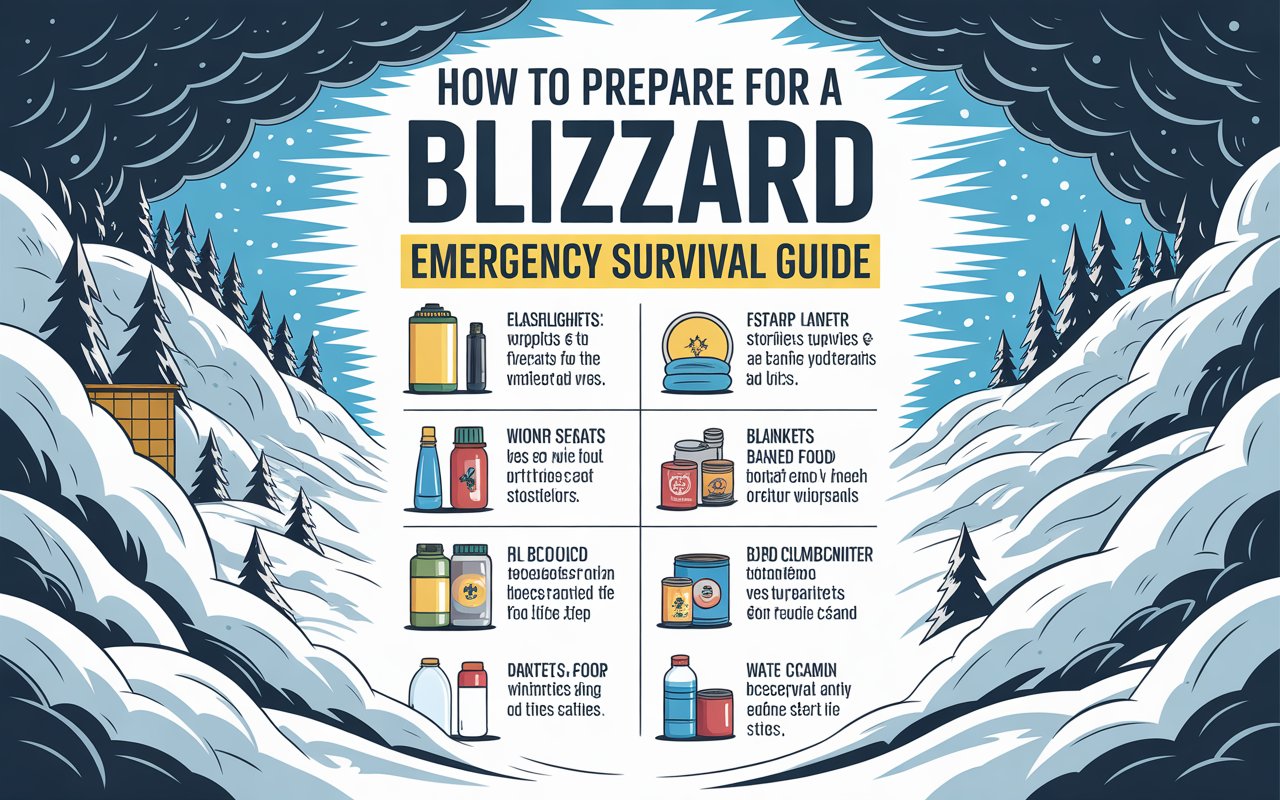
How to Prepare for a Blizzard: Emergency Survival Guide
When extreme winter weather strikes, knowing how to prepare for a blizzard can save your life, protect your family, and prevent costly damage to your home. A blizzard is not just heavy snowfall. It combines strong winds, freezing temperatures, and dangerously low visibility that can last for hours or even days. If you understand how to prepare for a blizzard before the storm arrives, you reduce panic, increase safety, and stay in control during harsh winter conditions.
Many people search for guidance on blizzard survival tips and winter storm emergency kit planning as temperatures drop. This guide gives you practical, real-world strategies that help you prepare confidently. Whether you live in a snow-prone region or face a rare winter storm, preparation makes all the difference.
At ManyViral, we often analyze seasonal risk topics that impact communities worldwide. Severe winter events consistently rank among the most disruptive natural hazards. That is why learning how to prepare for a blizzard is essential, not optional.
Understanding Blizzard Risks Before You Prepare
Before you focus on how to prepare for a blizzard, you must understand what makes these storms so dangerous. A blizzard brings sustained winds of at least 35 mph and reduces visibility to less than a quarter mile for three hours or more. The wind creates whiteout conditions. Snow drifts block roads. Power lines freeze and collapse.
Cold exposure presents the biggest threat. Hypothermia and frostbite develop quickly when wind chill drops below freezing. People underestimate how fast body temperature falls during extreme cold. That mistake can turn deadly.
When you understand the risks clearly, you approach how to prepare for a blizzard with seriousness and urgency.
How to Prepare for a Blizzard at Home
The safest place during a blizzard is usually indoors. Therefore, the first step in how to prepare for a blizzard focuses on home readiness.
Start by insulating your living space. Seal windows and doors to prevent drafts. Use weather stripping and thermal curtains. Insulation reduces heat loss and lowers your risk if the power goes out. Test your heating system before winter peaks. If you use a fireplace, clean the chimney to avoid fire hazards.
Next, store enough supplies to last at least three days. Stock non-perishable food such as canned goods, rice, pasta, and protein bars. Store one gallon of water per person per day. You may lose access to clean water if pipes freeze.
You also need flashlights, extra batteries, blankets, a battery-powered radio, and a first-aid kit. Keep medications stocked in advance. During major storms, pharmacies close and roads remain blocked.
Many families featured in winter preparedness discussions on ManyViral share similar experiences. Those who prepared early stayed calm and safe. Those who waited often struggled to find supplies.
Learning how to prepare for a blizzard at home gives you confidence when conditions worsen outside.
Creating a Winter Storm Emergency Kit
A complete emergency kit strengthens your strategy for how to prepare for a blizzard. Your kit should include warmth essentials such as thermal clothing, gloves, hats, and thick socks. Cold weather gear prevents frostbite if you must step outside briefly.
Include a portable phone charger or power bank. Communication becomes critical during emergencies. Keep copies of important documents in waterproof packaging.
Candles can provide light, but you must use them carefully to avoid fire hazards. Battery-powered lanterns offer safer alternatives. If you own a generator, operate it outside only. Never run generators indoors because carbon monoxide poisoning can occur quickly.
Preparedness experts consistently emphasize that planning ahead reduces panic. When you know how to prepare for a blizzard with a proper kit, you eliminate last-minute stress.
How to Prepare for a Blizzard If You Lose Power
Power outages remain common during severe winter storms. Therefore, knowing how to prepare for a blizzard includes understanding blackout survival.
Close off unused rooms to conserve heat. Gather your family in one central room. Layer clothing instead of relying solely on blankets. Avoid opening doors frequently because cold air enters rapidly.
Never use gas stoves or charcoal grills indoors for heating. Carbon monoxide builds silently and can become fatal. Install carbon monoxide detectors and test them before winter begins.
If temperatures drop dangerously low, consider relocating temporarily to a community shelter. Local authorities announce warming centers through radio and emergency alerts.
Understanding how to prepare for a blizzard during power loss can prevent life-threatening mistakes.
Preparing Your Vehicle for Blizzard Conditions
Many emergencies occur because drivers underestimate winter storms. Knowing how to prepare for a blizzard includes preparing your vehicle before travel becomes necessary.
Check your car battery, antifreeze levels, and tire tread. Winter tires improve traction on icy roads. Keep your gas tank at least half full to prevent fuel line freezing.
Store a car emergency kit that includes blankets, water, snacks, a flashlight, jumper cables, and a small shovel. If you become stranded, stay inside your vehicle. Run the engine for short intervals to stay warm, and ensure the exhaust pipe remains clear of snow.
Real-life winter incidents show that drivers who prepare survive far more safely than those who ignore forecasts. Learning how to prepare for a blizzard includes respecting road dangers.
How to Prepare for a Blizzard With Children and Elderly Family Members
Vulnerable groups face higher risks during winter storms. Children lose body heat faster than adults. Elderly individuals often have medical conditions that worsen in cold weather.
When planning how to prepare for a blizzard, store extra blankets and warm clothing specifically for them. Keep baby formula, diapers, and senior medications stocked in advance. Maintain a list of emergency contacts.
Check on elderly neighbors if possible. Community support improves survival rates during extreme weather. Many winter preparedness case studies shared on ManyViral highlight the importance of neighborhood cooperation.
When you plan thoughtfully, how to prepare for a blizzard becomes a family-centered safety strategy.
Food and Water Storage During a Blizzard
Food insecurity increases during extended storms. Grocery stores close quickly once snow accumulates. Understanding how to prepare for a blizzard requires smart food storage planning.
Choose foods that require minimal preparation. Peanut butter, canned beans, dried fruits, and instant oatmeal provide nutrition without heavy cooking. Store manual can openers because electric ones fail during power outages.
Prevent frozen pipes by allowing faucets to drip slightly. Insulate exposed plumbing. If pipes freeze, thaw them slowly with warm air, not open flames.
Water safety remains essential. Melted snow can serve as emergency water but boil it before drinking if possible. Proper hydration supports overall survival.
When you carefully plan supplies, how to prepare for a blizzard becomes manageable rather than overwhelming.
Staying Safe During the Blizzard
Once the storm begins, your focus shifts from preparation to safety execution. Continue monitoring weather updates through battery-powered radios or official alerts.
Avoid unnecessary travel. Visibility may drop suddenly. Whiteout conditions disorient even experienced drivers. Stay indoors and conserve energy.
Dress in layers if you must step outside. Cover exposed skin. Frostbite can occur within minutes in extreme wind chill.
The key to mastering how to prepare for a blizzard lies in disciplined action during the storm itself.
What to Do After the Blizzard Ends
Preparation does not end when snowfall stops. Knowing how to prepare for a blizzard also includes post-storm safety.
Clear snow carefully to prevent heart strain. Use ergonomic shoveling techniques. Watch for ice buildup on roofs and power lines.
Inspect your home for damage. Check pipes, roofing, and heating systems. Document any damage for insurance claims.
Community recovery often begins immediately after severe storms. Manyviral Share resources when possible. Prepared individuals often support others effectively.
When you understand the full cycle of how to prepare for a blizzard, you stay ready before, during, and after the event.
Real-Life Example: Why Preparation Saves Lives
In one documented Midwest winter storm, a family who prepared early stayed indoors for three days without power. They had stored food, water, and backup heat sources. Meanwhile, nearby residents who delayed preparation struggled to find supplies and faced emergency evacuations.
This example reinforces why learning how to prepare for a blizzard matters deeply. Preparation reduces risk dramatically.
At ManyViral, preparedness stories consistently show one pattern: informed households recover faster and experience fewer emergencies.
Final Thoughts on Blizzard Preparedness
Severe winter storms test resilience. However, knowledge transforms fear into control. When you fully understand how to prepare for a blizzard, you protect your home, family, and community.
Preparation requires planning, supplies, awareness, and calm decision-making. It does not require panic. Start early. Review your strategy each winter season. Update emergency kits regularly.
Weather remains unpredictable, but your response does not have to be. Learn, plan, and act before the first snowflake falls.
Just a call or click away – Let’s Connect
0319 980 2237
FAQs
You should stock food and water for at least three days, insulate your home, prepare an emergency kit, charge devices, and monitor weather alerts. Learning how to prepare for a blizzard early reduces panic and improves safety during extreme winter conditions.
You should prepare to remain indoors for at least 72 hours. Severe storms often block roads and cause extended power outages. Proper planning ensures you stay warm and fed during isolation.
Water remains the most essential supply. Each person needs at least one gallon per day. Warm clothing and backup heat sources also play critical roles in survival.
Driving during a blizzard is extremely dangerous due to low visibility and icy roads. Authorities strongly recommend staying indoors unless travel becomes absolutely necessary.
Wear layered clothing, gather in one insulated room, use blankets, and operate safe backup heating sources like properly ventilated generators. Never use stoves or grills indoors.
Leave a Reply