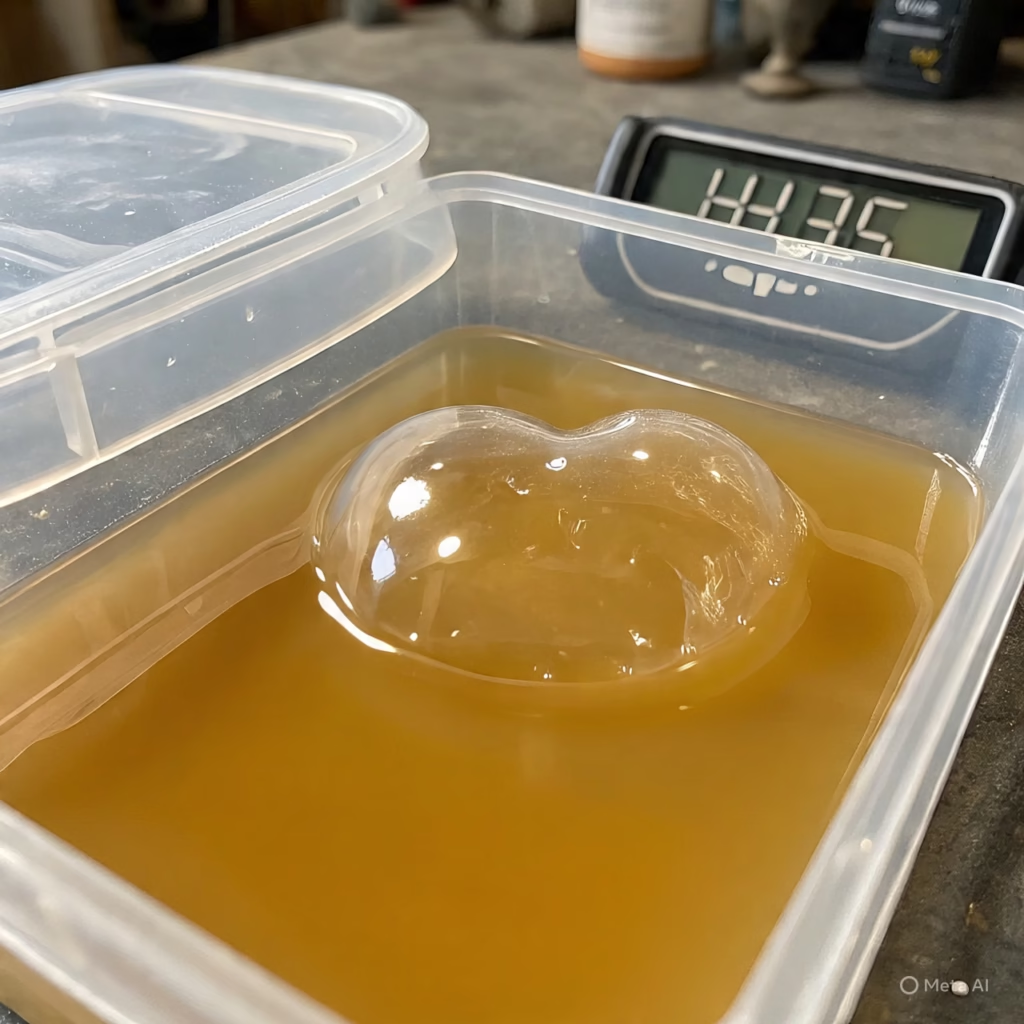
Title:
Resin Cure Time What to Expect Before You Unmold
Blog Post:
If you’ve just poured your piece and are eagerly watching it like a cake in the oven you’re not alone cure time can feel like forever especially when you’re excited to unmold or start the next layer
But how long does resin actually
take to cure And what’s the difference between dry to the touch and fully cured Let’s break it all down so you know exactly what to expect
What Is Cure Time in Resin
Cure time refers to how long it takes for to fully harden and reach its maximum strength It’s not just about being dry or firm to the touch it’s about a complete chemical reaction that makes the resin stable durable and safe to use
Average Cure Times for Different Resins
Epoxy
Initial set time: 8 to 12 hours
Touch dry: 12 to 24 hours
Fully cured: 72 hours or longer
Epoxy is the most common type
used in jewellery and art It needs time to cure especially if poured in thick layers
UV Resin
Cure time: 1 to 5 minutes under a UV lamp
Cures almost instantly when exposed to the right light
Best for thin layers or small molds
Note UV does not cure in darkness or in thick pours
Polyester
Touch dry: Within 30 minutes to 1 hour
Fully cured: 24 to 48 hours
Smells strong and cures faster but can shrink more than epoxy
What Affects Resin Cure Time
A few key factors can speed up or slow down the curing process:
1. Temperature
Resin cures faster in warm conditions Ideally your workspace should be between 70 to 75°F or 21 to 24°C
Too cold and it may stay sticky or take days to harden
2. Humidity
High humidity can mess with the finish especially for epoxy resin It can cause blush or cloudiness
3. Mixing ratio
Incorrect to hardener ratio is one of the top reasons doesn’t cure properly Always follow the instructions on your product exactly
4. Layer thickness
Thick pours take longer to cure and can even overheat if not done in stages
Can You Speed Up Cure Time
Yes but with caution
Use a safe heat gun to gently warm the area
Place your mold in a dust-free warming box or use a low temp heating pad
Avoid baking in your home oven it’s unsafe and toxic
Never try to rush curing with resin
high heat or open flames It can cause bubbling cracking
How to Know When Resin Is Fully Cured resin
No tackiness or soft spots
Glossy or matte depending on your finish
Hard to the touch and doesn’t bend
Doesn’t leave fingerprints after pressure
Tip: Wait the full cure time before sanding polishing or packaging your pieces
Final Thoughts resin
cure time might test your patience but it’s 100 percent worth the wait Whether you’re using fast UV or slow curing epoxy knowing what to expect will save you time and frustration
Want more tips for timing your projects just right
Looking for the best fast curing for beginners
Let me know if you’d like a printable
version of this blog or a version tailored for email marketing or social media content.
You might to like read this blog
https://manyviral.com/can-trumps-big-beautiful-bill-pass-the-senate/
Leave a Reply