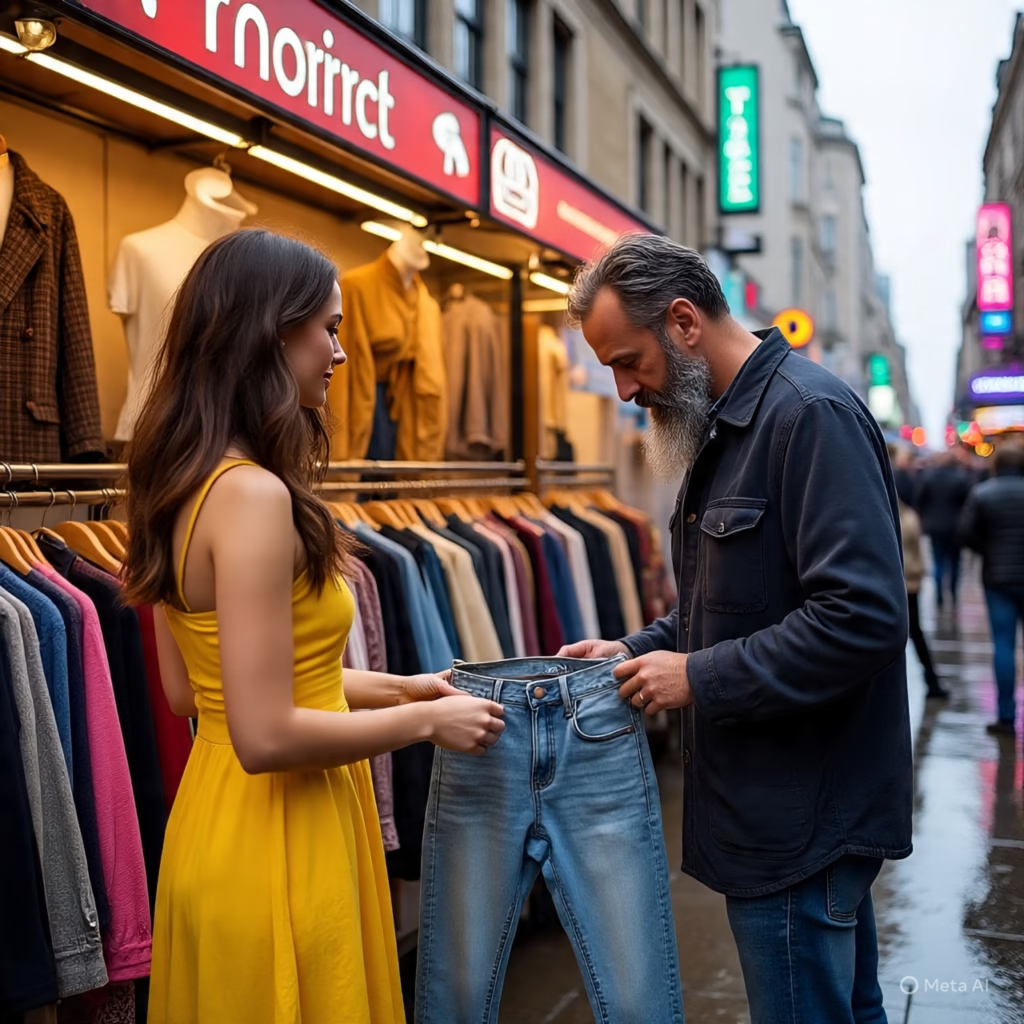
The Rise of Second-Hand Fashion in Britain
The Rise of Second-Hand Fashion in Britain has moved from a niche lifestyle choice to a powerful cultural and economic movement reshaping how people shop, dress, and think about sustainability. Across the UK, consumers now embrace pre-loved clothing not as a compromise but as a smart, stylish, and ethical decision. This shift reflects changing values, rising living costs, environmental awareness, and the influence of digital platforms that have made second-hand fashion mainstream.
A Cultural Shift That Redefined British Style
The Rise of Second-Hand Fashion in Britain began quietly but accelerated rapidly as shoppers questioned fast fashion’s impact. British consumers started prioritising quality over quantity and story over novelty. Vintage shops, charity stores, and online resale platforms transformed into trend hubs rather than budget backups. People now associate second-hand shopping with individuality, creativity, and responsibility.
Young consumers led this change, but the movement soon spread across generations. Parents sought affordable wardrobes for growing children. Professionals looked for timeless pieces that outlast trends. Students found unique outfits that set them apart. This collective mindset shift pushed resale into the spotlight and turned it into a respected retail category.
Economic Pressures and Smart Spending Habits
The Rise of Second-Hand Fashion in Britain also connects closely with economic realities. As inflation and living costs increased, shoppers searched for value without sacrificing style. Second-hand clothing delivered exactly that balance. High-quality garments, designer labels, and durable fabrics became accessible at a fraction of original prices.
British households now view resale as a strategic way to manage budgets. Many shoppers actively plan wardrobes around second-hand finds, mixing pre-loved items with new purchases. This approach reduces impulse buying and promotes thoughtful consumption, which benefits both wallets and wardrobes.
Sustainability as a Driving Force
Environmental awareness sits at the heart of The Rise of Second-Hand Fashion in Britain. The fashion industry contributes significantly to carbon emissions, water usage, and textile waste. Consumers increasingly understand that extending the life of clothing reduces demand for new production and cuts waste dramatically.
Resale shopping aligns perfectly with sustainable values. Each reused garment saves resources and prevents landfill overflow. British consumers now see second-hand fashion as an easy, everyday climate action. This perspective transformed thrift shopping into a statement of responsibility rather than sacrifice.
Digital Platforms That Changed Everything
Technology accelerated The Rise of Second-Hand Fashion in Britain by removing barriers to access. Online marketplaces and social commerce apps made buying and selling pre-loved clothing simple and social. Users browse curated feeds, follow sellers, and discover trends in real time.
Platforms like Depop, Vinted, and eBay reshaped the resale experience. Sellers built personal brands, while buyers enjoyed transparency and convenience. Influencers showcased thrifted outfits, proving that second-hand style competes easily with high-street fashion. Agencies like ManyViral helped brands and creators amplify this message by turning resale stories into engaging digital campaigns that reached millions.
Charity Shops as Style Destinations
The Rise of Second-Hand Fashion in Britain also revitalised charity shops. Once associated mainly with necessity, these stores now attract fashion lovers hunting for hidden gems. British charity retailers curate collections, redesign store layouts, and collaborate with designers to appeal to modern shoppers.
Real-life examples highlight this transformation. Oxfam’s boutique-style stores in London feature carefully selected vintage and designer pieces. Shoppers line up for limited drops, proving that resale generates excitement comparable to new fashion launches.
Celebrity Influence and Mainstream Acceptance
Celebrity endorsement pushed The Rise of Second-Hand Fashion in Britain firmly into the mainstream. British stars now openly wear pre-loved outfits on red carpets, television shows, and social media. This visibility removed stigma and inspired fans to follow suit.
When well-known figures champion resale, the message spreads quickly. Fashion magazines highlight vintage looks. Television programmes feature sustainable wardrobes. Social media campaigns amplify these moments, often supported by digital marketing experts like ManyViral, who understand how storytelling fuels trend adoption.
The Role of Vintage and Heritage
Britain’s rich fashion history strengthened The Rise of Second-Hand Fashion in Britain. Vintage clothing offers a connection to past eras, craftsmanship, and cultural identity. Shoppers value garments with history, whether a 1970s leather jacket or a tailored wool coat from Savile Row.
Heritage brands also benefit. Pre-loved Burberry trench coats, for example, remain highly sought after. Buyers appreciate durability and timeless design, which reinforces the idea that quality fashion deserves a second life.
Resale as a Business Opportunity
The Rise of Second-Hand Fashion in Britain created new business models and income streams. Entrepreneurs launched resale boutiques, online stores, and styling services. Individuals turned wardrobes into revenue by selling unwanted items.
This ecosystem supports circular fashion, where clothes circulate continuously rather than ending as waste. ManyViral frequently works with resale brands to build visibility, drive engagement, and convert sustainability values into profitable growth. Strategic digital storytelling ensures these businesses compete effectively in crowded online spaces.
Psychological Benefits of Second-Hand Shopping Britain
Beyond economics and sustainability, The Rise of Second-Hand Fashion in Britain delivers emotional rewards. Shoppers enjoy the thrill of discovery and the satisfaction of making ethical choices. Finding a unique piece creates a personal connection that fast fashion rarely offers.
This experience encourages mindful consumption. Buyers think carefully about purchases, leading to longer-lasting wardrobes and stronger personal style. The emotional value of second-hand fashion often surpasses that of mass-produced clothing.
Social Media and Community Building
Social platforms strengthened The Rise of Second-Hand Fashion in Britain by building communities around shared values. Users exchange styling tips, restoration advice, and shopping stories. Hashtags promote resale culture and normalise pre-loved fashion.
Creators play a crucial role here. They showcase hauls, before-and-after transformations, and sustainable styling ideas. Agencies like ManyViral help creators refine content strategies that educate audiences while maintaining entertainment value, ensuring resale remains aspirational and engaging.
Education and Awareness Among Younger Generations Britain
Schools, universities, and youth movements contribute to The Rise of Second-Hand Fashion in Britain by promoting sustainability education. Younger generations grow up understanding environmental impact and ethical consumption. They naturally gravitate toward resale as an extension of these values.
Students often organise clothing swaps and thrift events. These initiatives foster community and reduce consumption. The long-term effect ensures resale remains embedded in British fashion culture.
Retailers Adapting to the Trend Britain
Major retailers now respond to The Rise of Second-Hand Fashion in Britain by integrating resale into their strategies. Some brands launch buy-back schemes or partner with resale platforms. This adaptation acknowledges that circular fashion represents the future.
By embracing resale, retailers maintain relevance and align with consumer expectations. This evolution signals that second-hand fashion no longer sits outside the industry but reshapes it from within.
The Future Outlook of British Second-Hand Fashion
The Rise of Second-Hand Fashion in Britain shows no signs of slowing. As sustainability regulations tighten and consumer awareness grows, resale will expand further. Innovation in authentication, logistics, and digital experiences will improve accessibility and trust.
Real-life projections already appear. UK resale market value continues to rise annually. New platforms emerge. Established brands invest in circular solutions. With expert digital amplification from teams like ManyViral, second-hand fashion narratives will reach broader audiences and influence global trends.
Why Brands Must Embrace the Movement britain
Brands that align with The Rise of Second-Hand Fashion in Britain gain credibility and loyalty. Consumers reward transparency and responsibility. Marketing strategies now require authenticity, education, and community engagement.
ManyViral understands this shift deeply. By crafting campaigns that highlight sustainability, storytelling, and human connection, the agency helps brands thrive in the evolving fashion landscape.
Final Thoughts on a Transformative Trend britain
The Rise of Second-Hand Fashion in Britain reflects more than a shopping preference. It represents a cultural transformation driven by values, creativity, and responsibility. British consumers prove that style and sustainability coexist beautifully.
As resale continues shaping wardrobes and mindsets, the movement strengthens Britain’s position as a leader in ethical fashion. With strategic digital storytelling and community-driven marketing, second-hand fashion will remain a defining force in modern British style.
Strong Call to Action
Just a call or click away – Let’s Connect
0319 980 2237
FAQs
What is driving the rise of second-hand fashion in Britain?
The Rise of Second-Hand Fashion in Britain stems from sustainability awareness, rising living costs, and digital platforms that make resale accessible, social, and stylish.
Is second-hand fashion popular among younger generations in the UK?
Yes, younger consumers strongly support resale because they value environmental responsibility, individuality, and affordability. Their influence accelerated mainstream acceptance.
How does second-hand fashion help the environment?
Second-hand fashion reduces textile waste, lowers carbon emissions, and conserves resources by extending garment life and decreasing demand for new production.
Are luxury and designer items common in the UK resale market?
Absolutely. The British resale market features many designer and heritage pieces, offering affordable access to high-quality fashion with lasting value.
Can brands benefit from supporting second-hand fashion?
Brands gain trust, relevance, and loyalty by embracing resale. Aligning with The Rise of Second-Hand Fashion in Britain strengthens credibility and future-proofs fashion businesses.
Leave a Reply